Fog and weather
Preserve more usable scene context when ambient conditions degrade a normal camera view.
 LifeLine Technologies
 Partner technology
LifeLine considers VISDOM when fog, glare, darkness, weather, reflection, or low contrast can limit ordinary camera review around material handling and site operations.
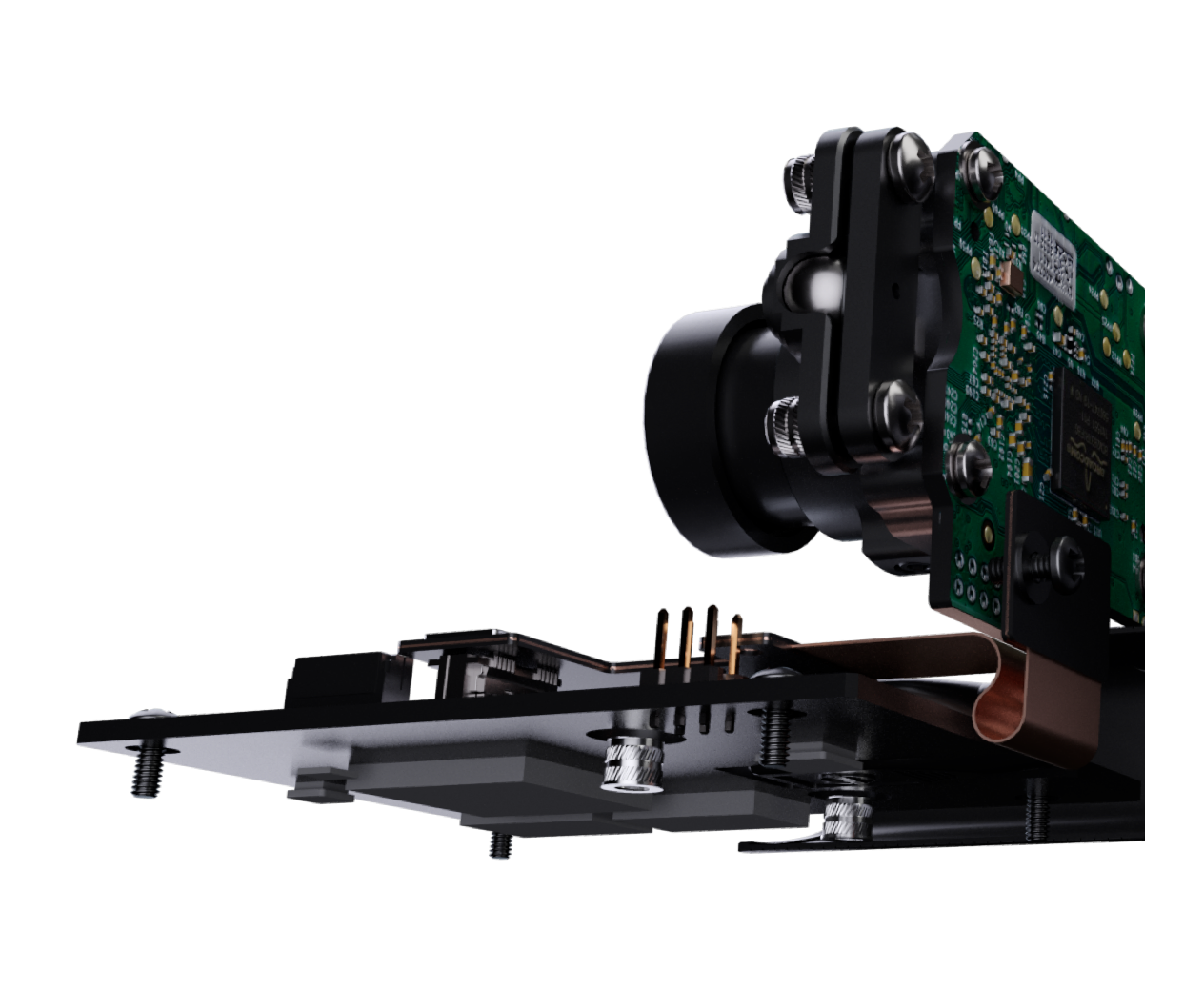
Where it helps
VISDOM is relevant when the operating team still needs visual context around material handling, access, or site review, but ambient conditions make ordinary imaging less reliable.

The goal is a view that operators can still interpret when weather, glare, darkness, or low contrast makes a conventional camera feed unreliable.
Preserve more usable scene context when ambient conditions degrade a normal camera view.
Reduce the loss of readable detail from bright, reflective, or high-contrast scenes.
Support interpretation when ambient light is limited or scene contrast is poor.
Pair visibility context with LiDAR, inventory zones, thresholds, and review rules.
Proof view
The strongest VISDOM story is practical: the difference between limited visibility and a view that gives the operator more usable context.
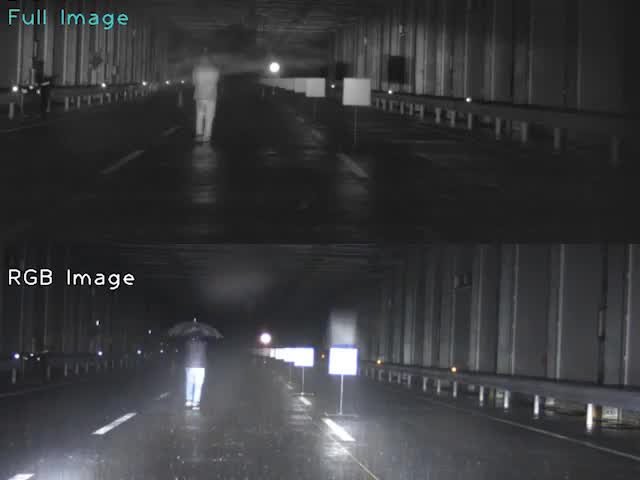
LifeLine reviews where visibility loss affects the inventory or operating decision, then designs the sensing layer around that constraint.
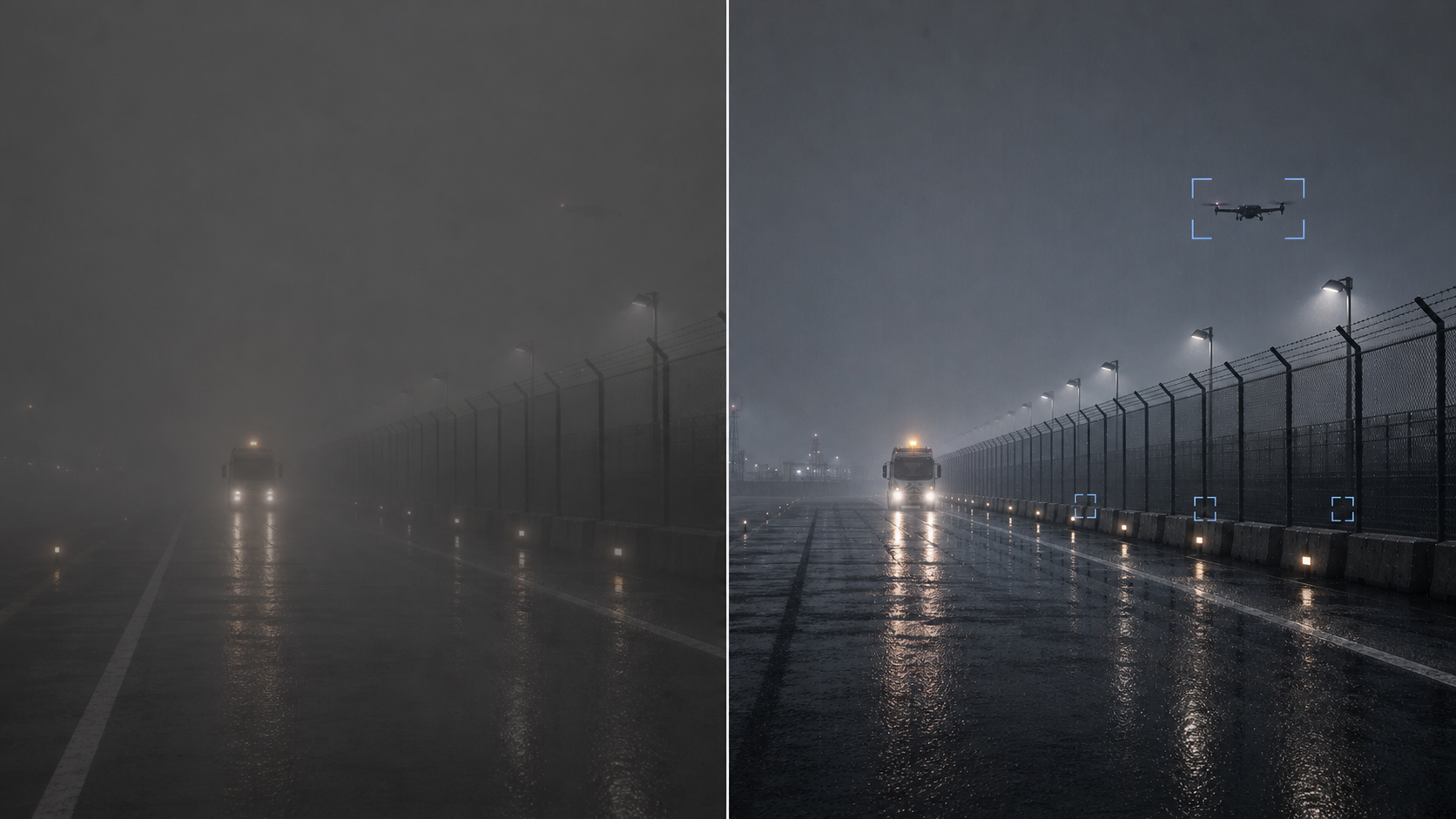
VISDOM is considered when conventional camera views do not provide enough usable context for review or response.
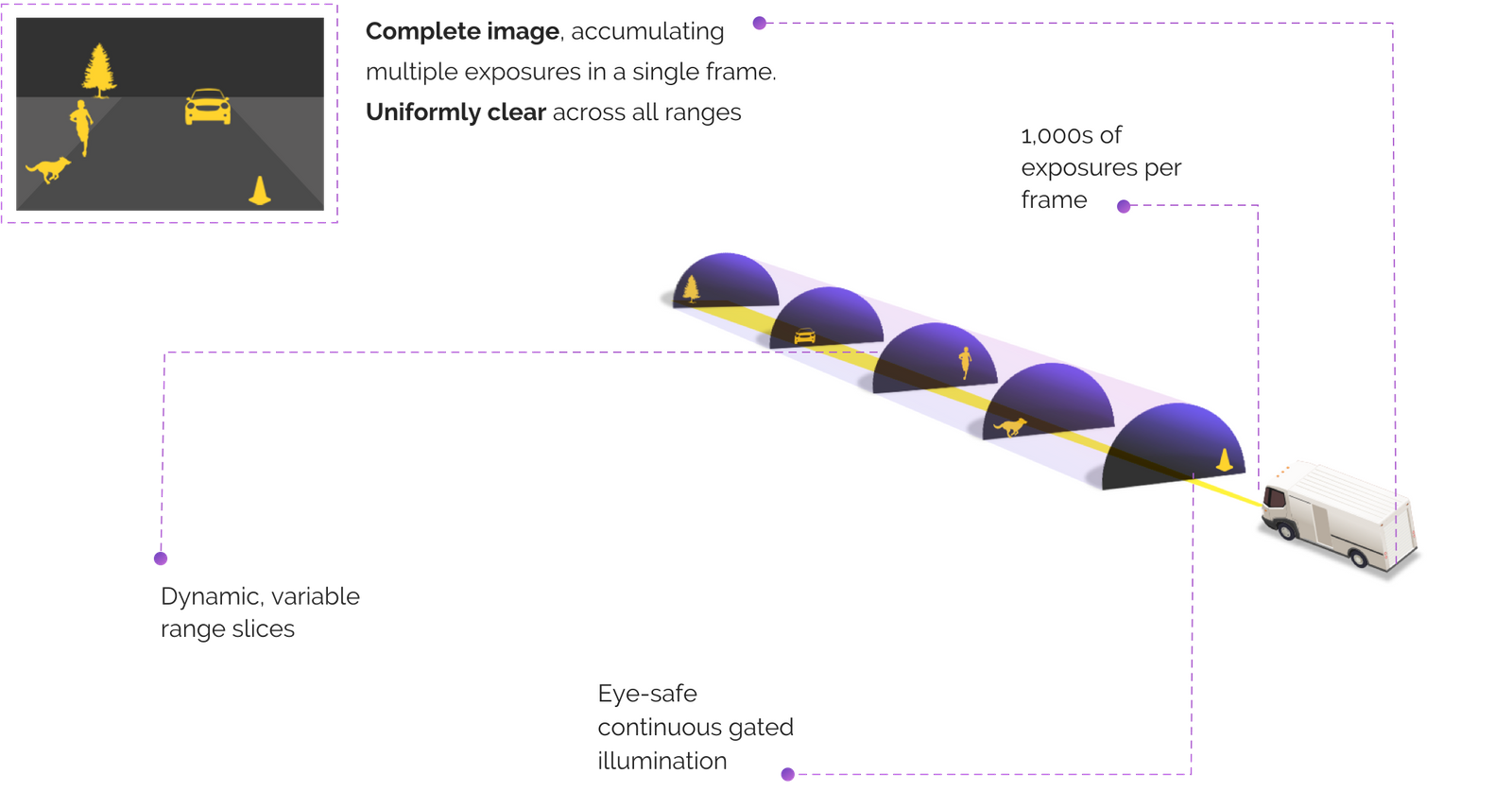
Range-slice style imagery is useful when a deployment needs more context than a flat camera image can provide in difficult visibility.
What LifeLine adds
LifeLine defines where visibility matters, what condition triggers review, and how the signal pairs with LiDAR, inventory zones, rules, alerts, or operating workflows.
LifeLine works through commercial partnerships with sensing technology providers and focuses on deployment design, measurement logic, output planning, operational handoff, and support.
Technical principles
The operational question comes first: where visibility breaks down, what view helps the team respond, and how the signal fits with inventory intelligence or other site measurements. Technical details are reviewed against that deployment context.
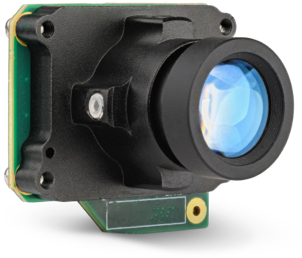
Hardware fit is reviewed around mounting, view, site constraints, and the operating decision.
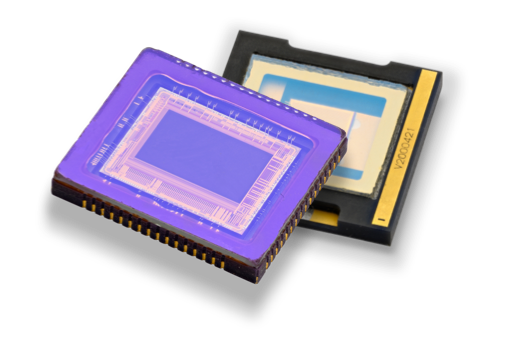
Component-level details are evaluated against field of view, range, mounting, environment, and the operating decision.
LifeLine reviews where fog, glare, darkness, weather, reflection, or low contrast creates a real operating problem before recommending VISDOM.
The deployment must fit the site, not just the technology. Mounting, power, network, access, and maintenance constraints are part of the review.
VISDOM output is most useful when paired with rules, LiDAR context, inventory zones, or review workflows that match how the operation responds.
Partner source
LifeLine frames VISDOM in terms of site fit, visibility context, and operational output. Bright Way Vision remains the source for manufacturer product details, gated-vision technology information, and availability.
What the review clarifies
LifeLine Technologies
Bring us the site, the constraint, and the decision your team needs to improve. LifeLine will review the sensing and delivery path.